Collections
August 18 2025 - June 28th , 2026
curated by:
Matthew Cohen
The Anita Shapolsky Art Foundation is proud to present a rotating exhibition of the foundation's collection.
Seymour Boardman
Ernest Briggs
Arthur Dworin
John Hultberg
Michiko Itatani
Martee Levi
Richards Ruben
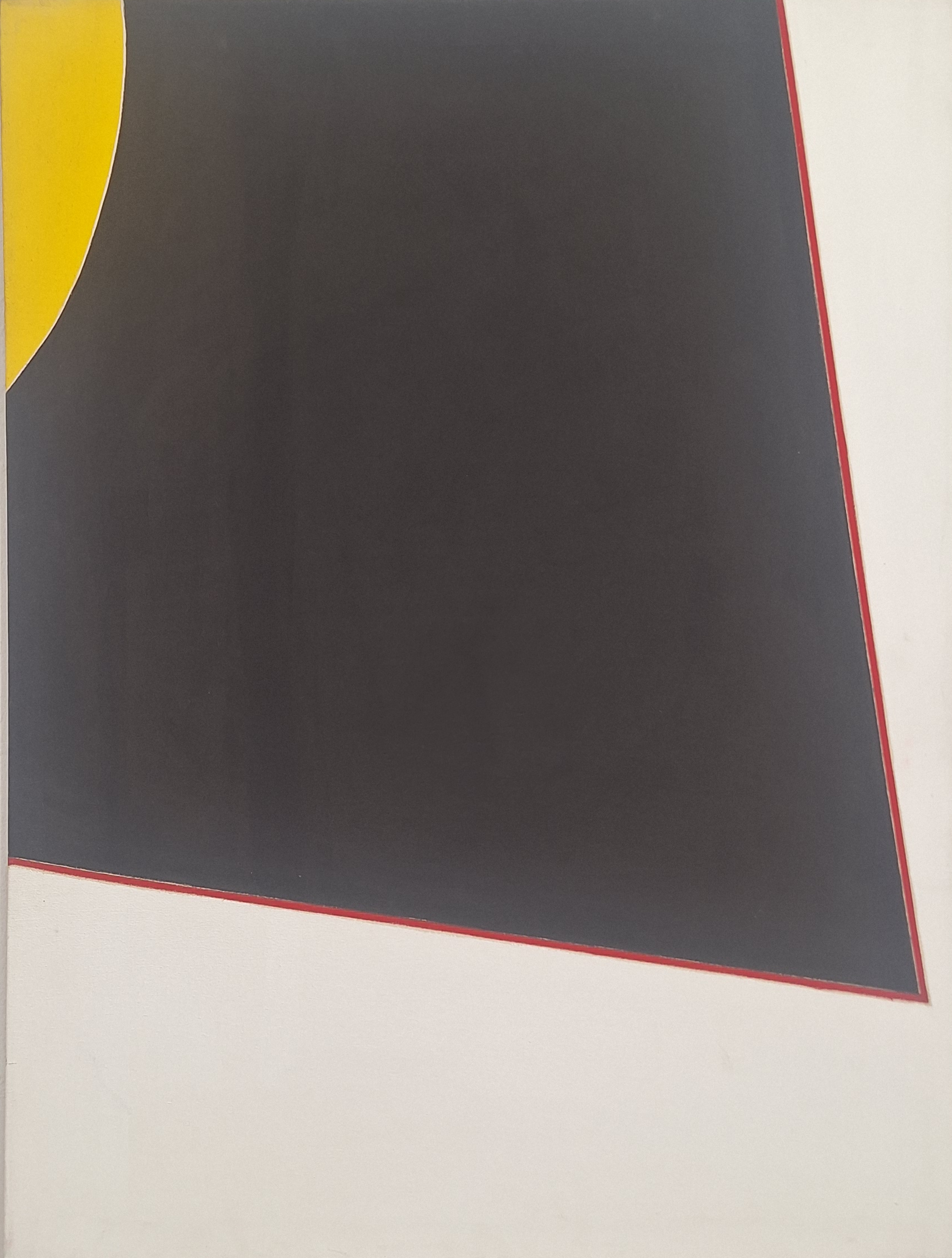
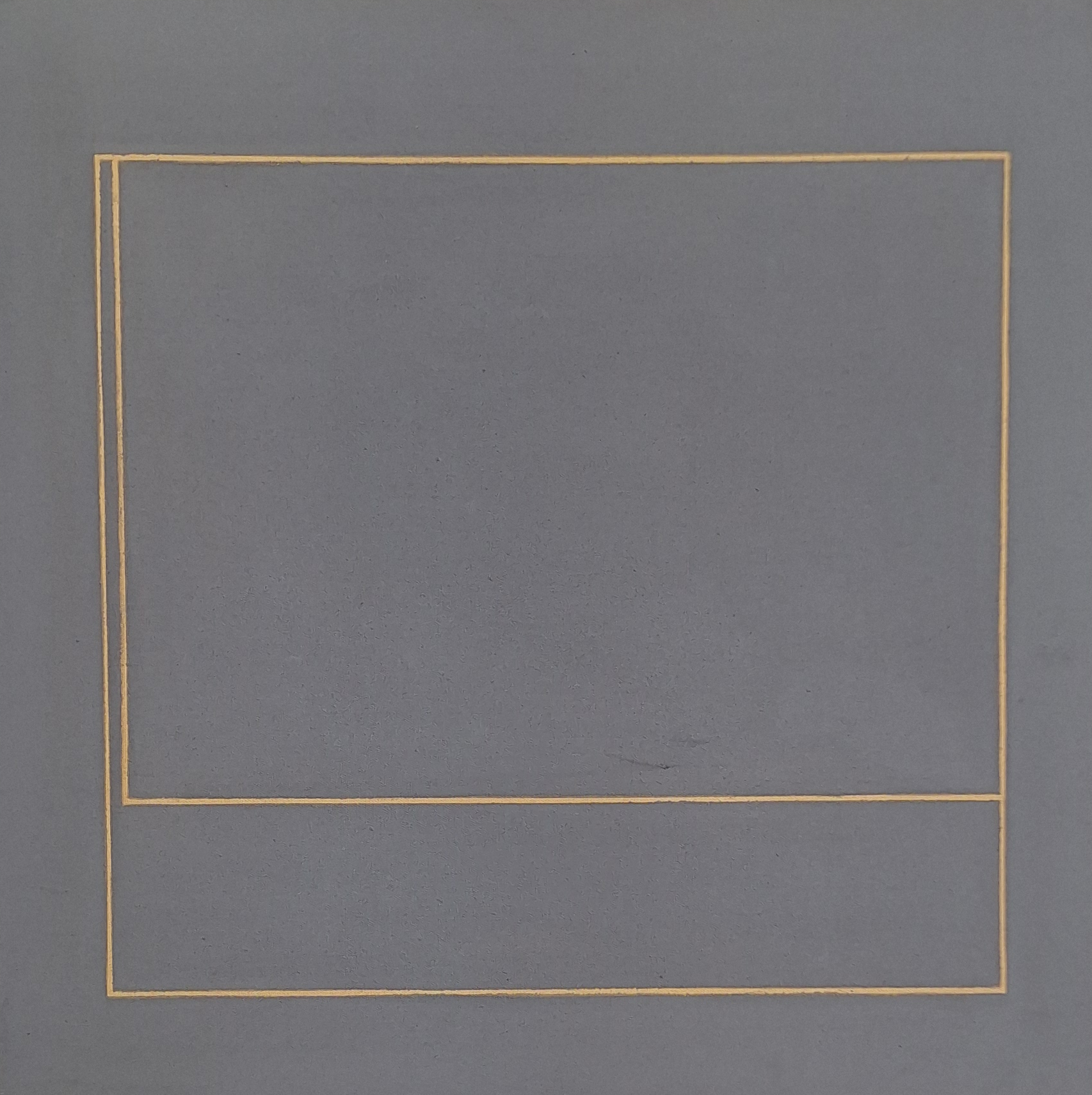
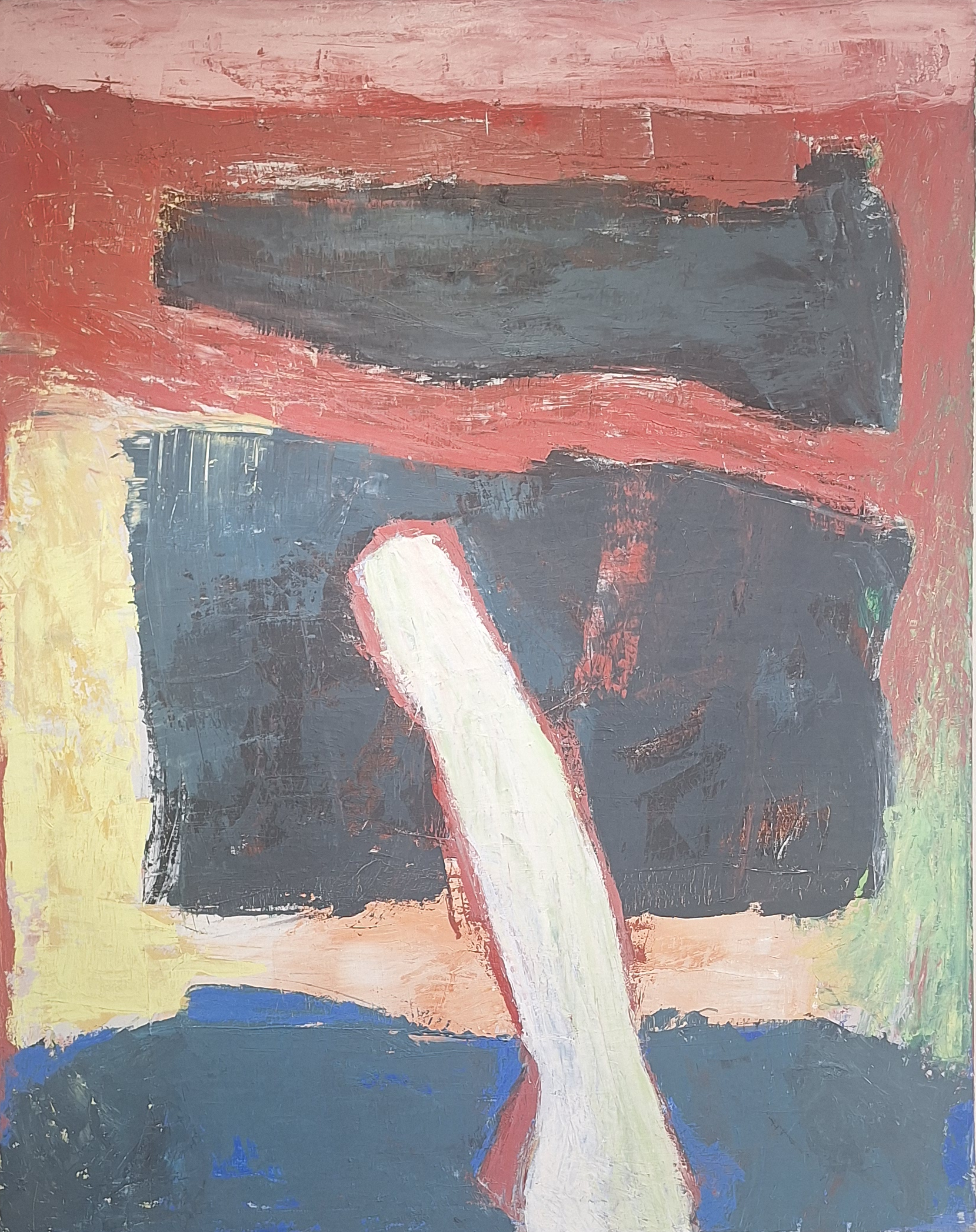
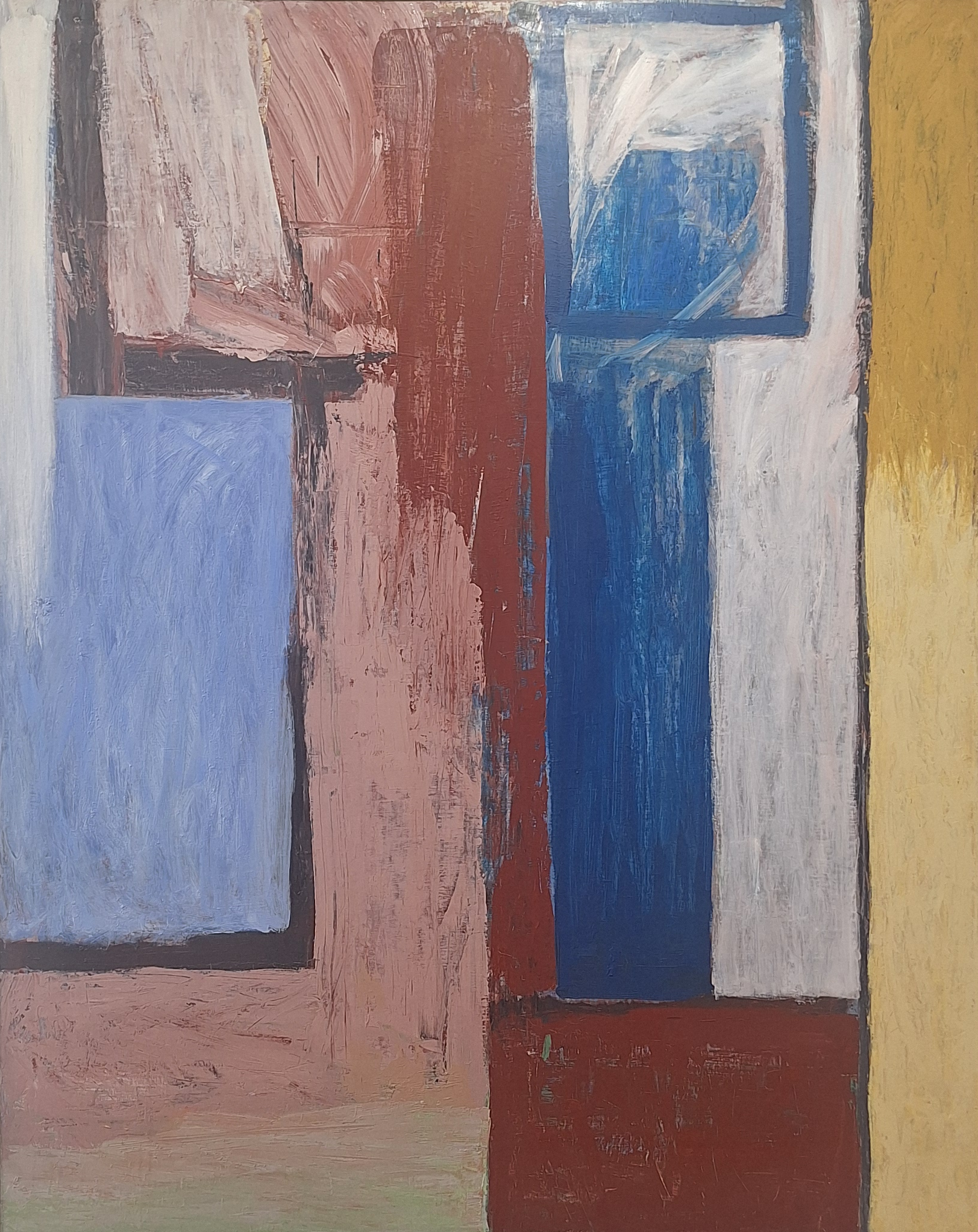
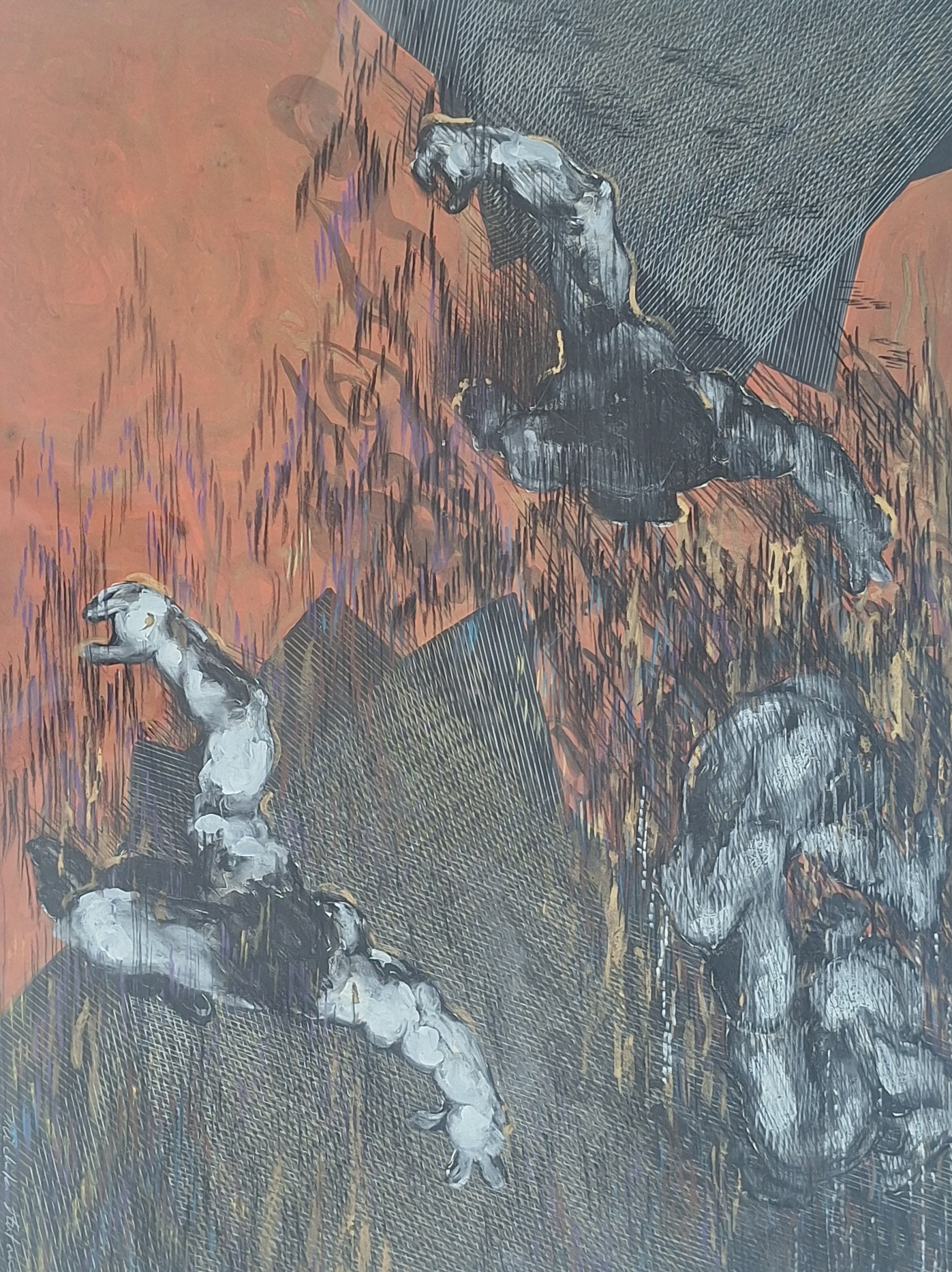
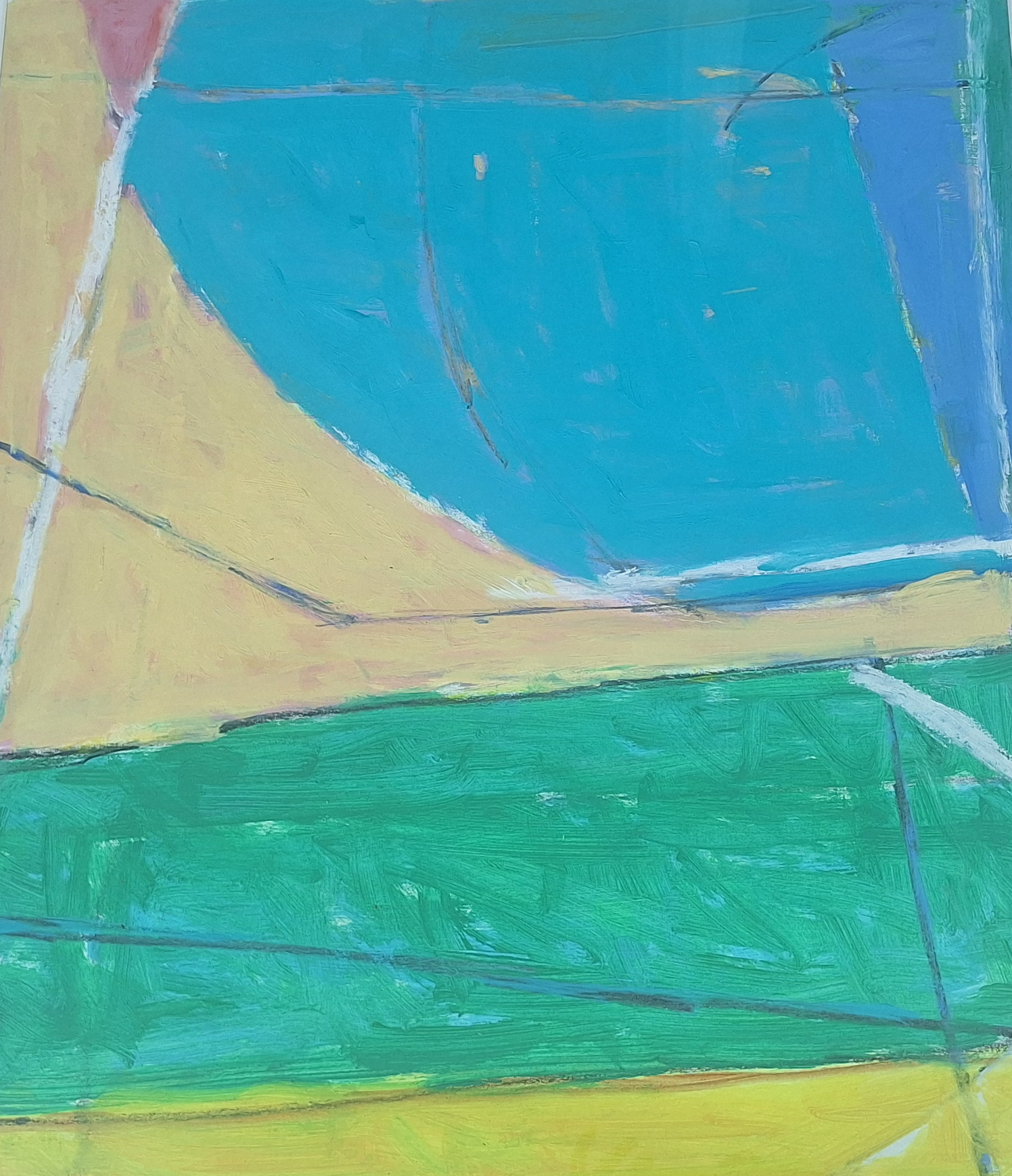
SEYMOUR BOARDMAN (1921 – 2005)
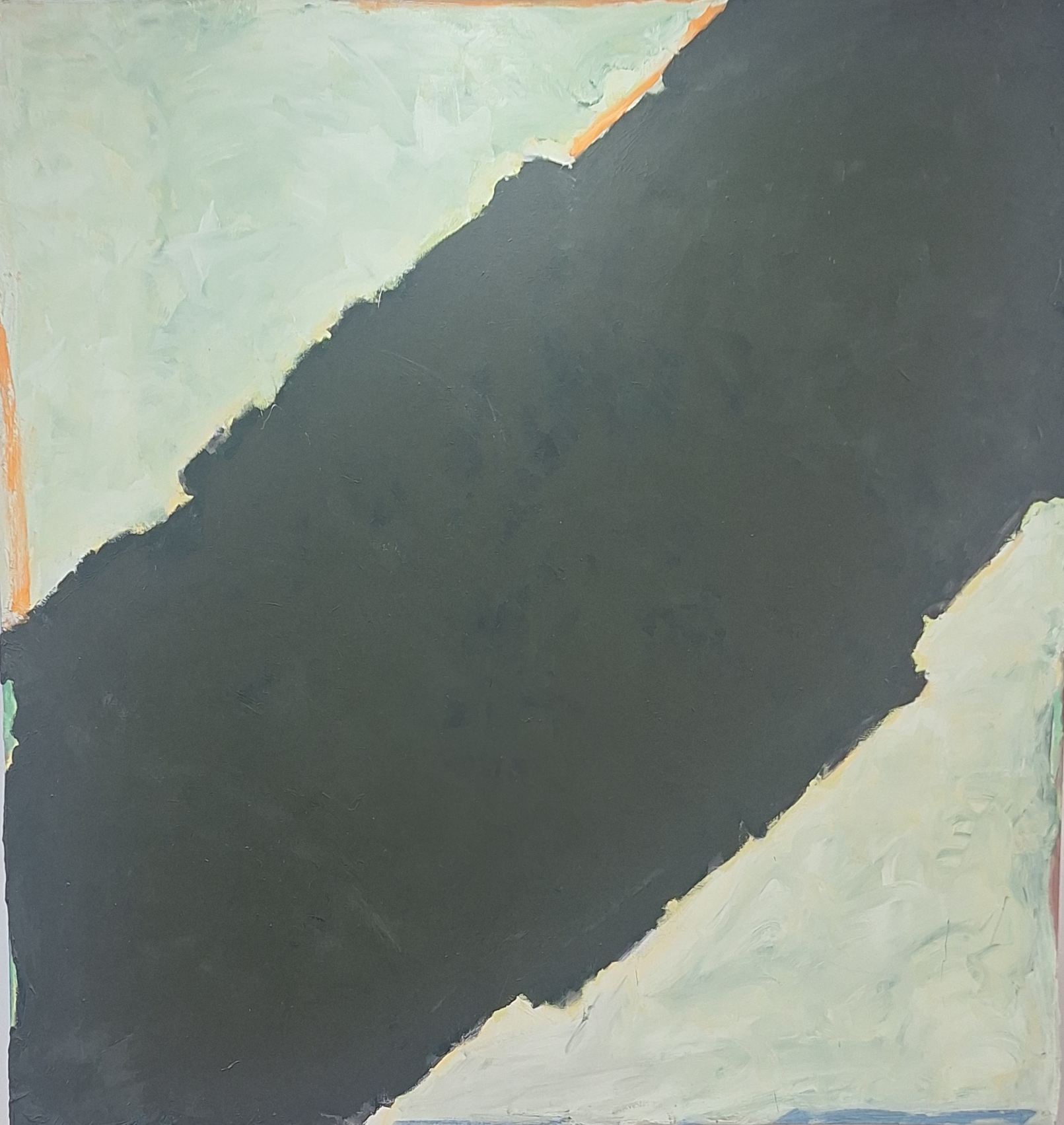
Seymour Boardman began to acquire recognition in the 1950s with his paintings of griddled facets seen as if through a frosted glass, without any crisp lines. He would have his first one-man show in New York at the Martha Jackson Gallery receiving favorable reviews from Hilton Kramer, Emily Genauer, and others. He would gradually eliminate the arbitrary aspects of his work until only straight lines and two or three areas of flat, usually somber, tones remained, reducing an image to its bare essence. Boardman created unique paintings reminiscent of the romantic landscapes of Milton Avery and early Mark Rothko (who was a friend). Gradually he would develop works akin to hard-edged painting.
ERNEST BRIGGS (1923 - 1984)
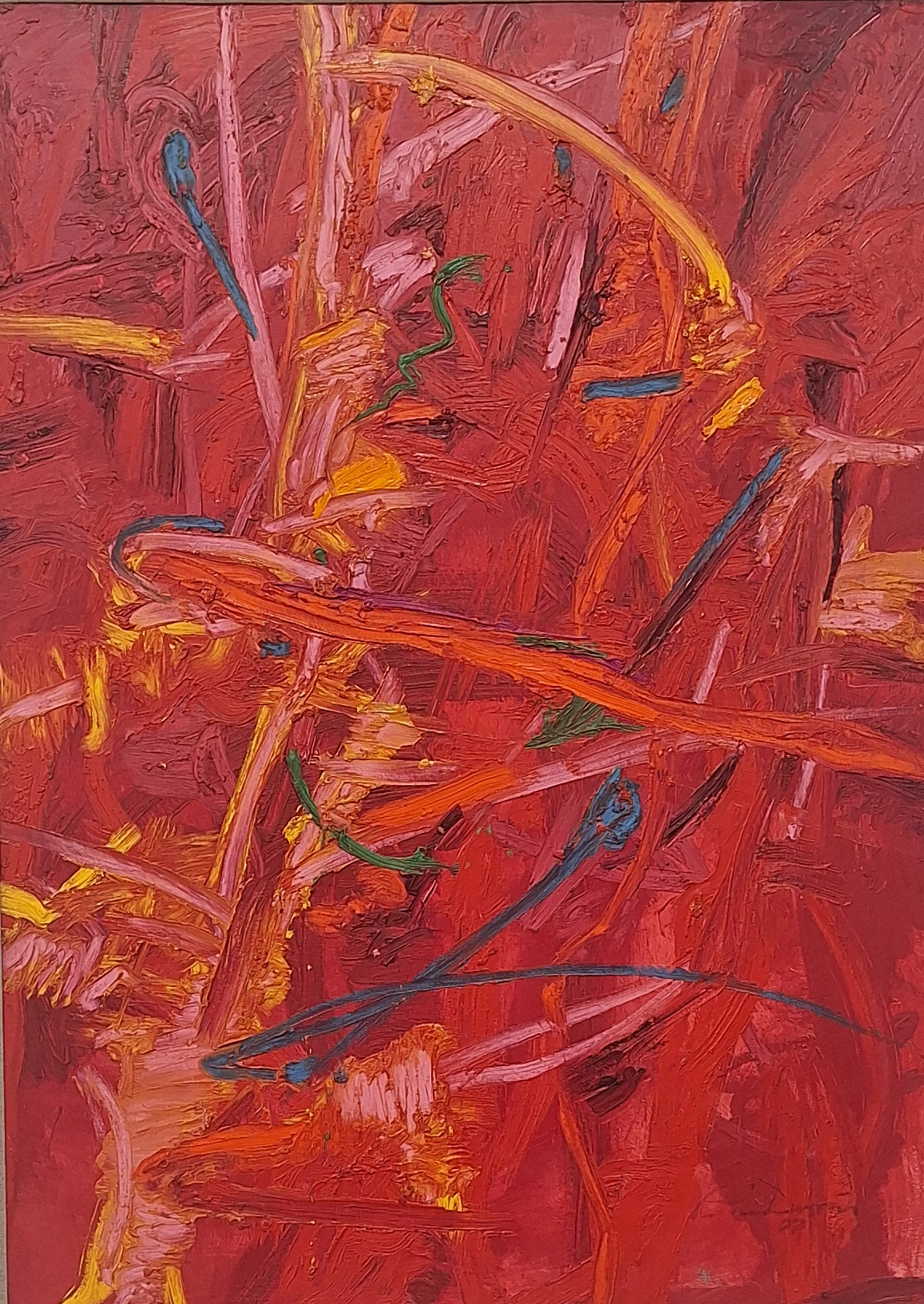
Ernest Briggs studied under Clyfford Still at the California School of Fine Arts in San Francisco. The faculty, assembled by Douglas MacAgy, also included Mark Rothko and Ad Reinhardt. After moving to New York in 1953, Briggs began exhibiting at Stable Gallery. He participated in several Whitney Museum Annuals and in 1956 was included in the Museum of Modern Art’s exhibition “12 Americans” curated by Dorothy Miller. Briggs sought inspiration in nature. The changing qualities of the natural world are conveyed through his ragged and expressive brushwork. A second generation Abstract Expressionist, Briggs represents “action painting.” His paintings are alive; they offer viewers an experience that is both mysterious and known.
Arthur Dworin
Arthur Dworin creates geometric and organic abstractions at his studio in Hazleton, PA. He attended the Detroit Society of arts and crafts and art students league in Woodstock. He would eventually join the IATSE United Scenic Artist Union, affording him the chance to further develop his techniques. He strives to create works which “will act as a key to awaken what is already deep within the observer, anew with each viewing, bringing a greater awareness of our inner and outer universes.”
JOHN HULTBERG (1922—2005)
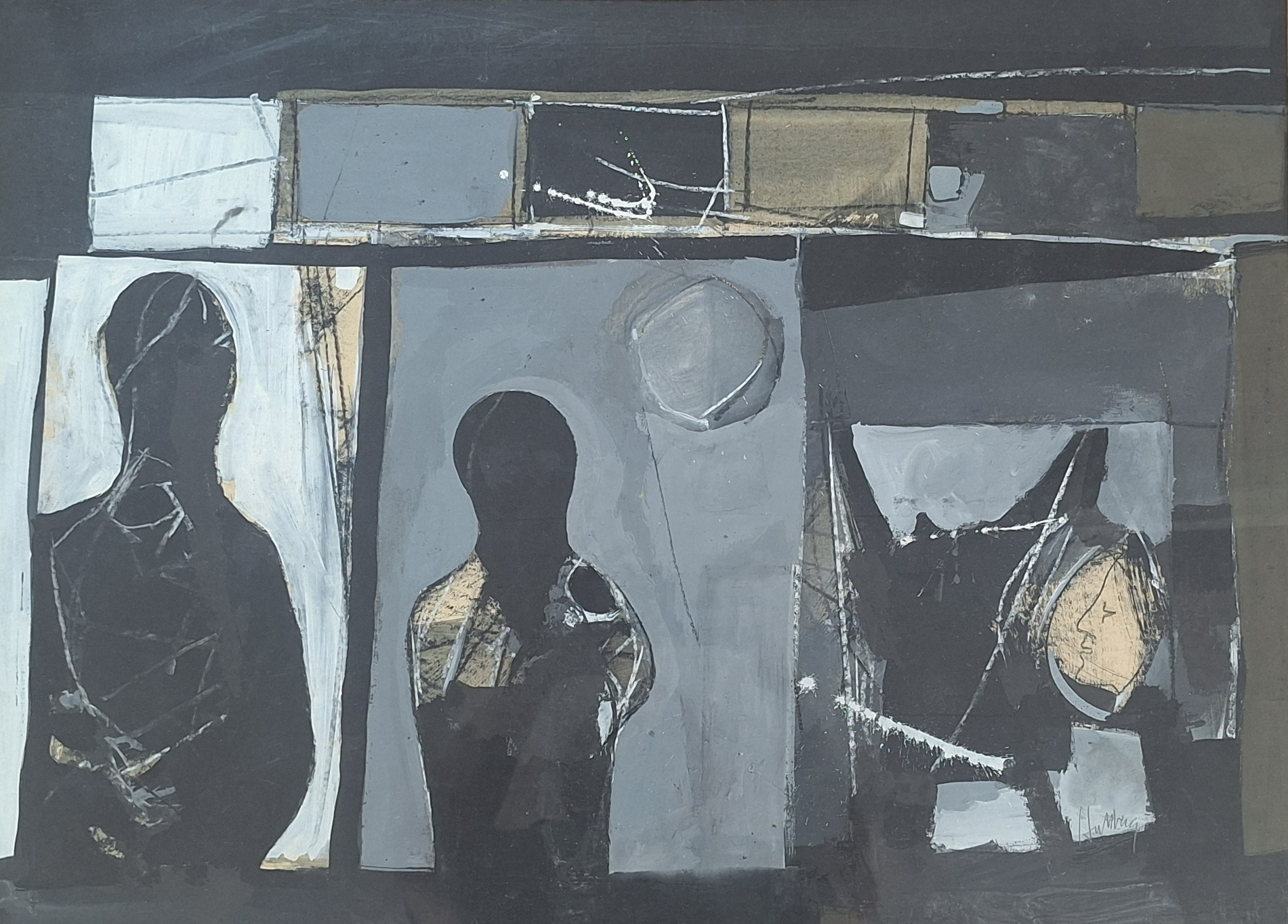
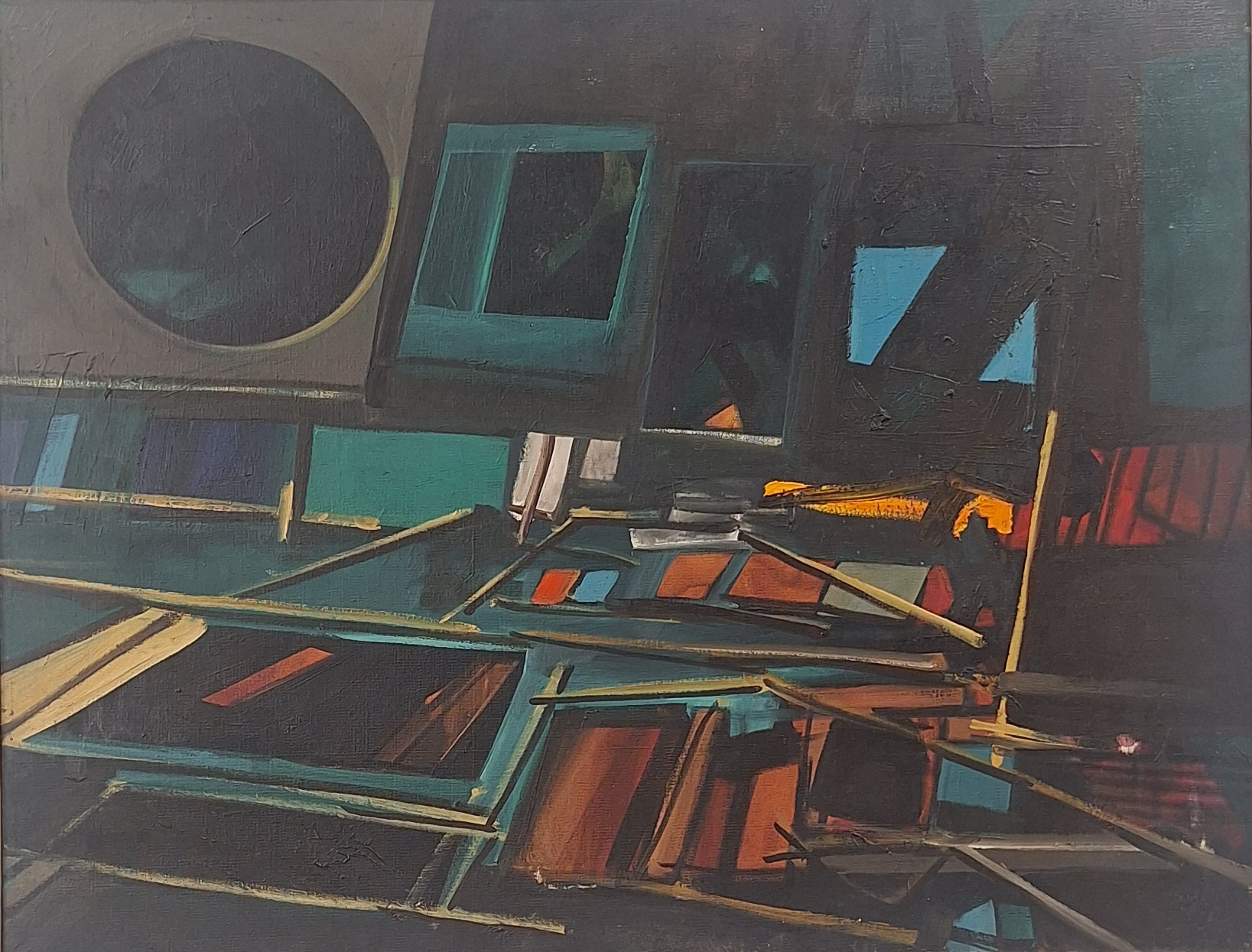
John Hultberg studied at the California School of Fine Arts with Clay Spohn, Richard Diebenkorn, David Park, Clyfford Still and Mark Rothko. Hultberg made his mark with dramatic, often dark, landscapes and interiors interspersed with recognizable imagery, grounded by an obvious horizon line. His paintings take viewers through compartmentalized, apocalyptic and alien lands, where uncluttered expanses create windows into the unknown. His works were prophetic, emphasizing pollution and environmental issues.
JOEL LE BOW
From the 1950s to the early 1960s, Joel Le Bow worked from his studio was on 8th Street, five doors east of Cedar Tavern. There, he spent time with many of the giants of abstract expressionism. This time greatly influenced his works while he gradually utilized other forms to express the human condition. He would be heavily influenced by his teacher and friend Franz Kline.
His work was widely exhibited throughout the city and the Northeast. His time with and studying under Franz Kline heavily influenced his work. Le Bow’s works have been widely exhibited over the past sixty years and are held in both public and private collections throughout the United States and internationally.
Richards Ruben (1925- 1998)
Richards Ruben taught at prominent art schools throughout his entire career. After serving in the US Army from 1942 to 1944, Ruben returned to Los Angeles, his hometown, and studied at the Chouinard Art Institute. He would teach painting there and at the Pomona and Claremont Colleges in LA until he moved to New York in the 1960s, where he continued teaching at NYU, Columbia University, and Pratt. He died in 1998 teaching a summer class in Venice, Italy for a Pratt Institute art program.
Ruben provoked the creative possibilities of sight by utilizing familiar forms and suggestive colors to question the boundaries and limitations in which we restrict ourselves when viewing objects or the horizon of our environment. Even within his strictly rectangular canvases, bold diagonal lines threaten to escape off the edges of the painting, onto the gallery walls. Ruben reined them in using muted colors and a calm, stable hum that seems to vibrate through and between each work.